Endovascular & Vascular Surgery
In Colton, San Bernardino, & Riverside


Your blood vessels are your lifeline, carrying oxygen-rich blood via your veins to your heart; the freeway of your circulatory system. You do not want to create your own traffic jam with the hardening of your arteries. Cal Med Physicians and Surgeons have specialists to ensure you stay on the right track.
Our San Bernardino vascular surgeons provide treatment through surgery on diagnosed patients with diseases of the arterial, venous and lymphatic systems (excluding the intracranial and coronary arteries). The purpose of vascular surgery is to treat vascular diseases, which are diseases of the arteries and veins.
Diseases affecting arteries, veins, and circulation throughout the body
Minimally invasive endovascular procedures and traditional vascular surgery
Often performed through small incisions using imaging guidance
May help prevent limb loss, improve wound healing, and reduce vascular complications
Supported by Cal Med's integrated Limb Preservation, Advanced Wound Care, and HBOT programs
Vascular disease is any abnormal condition dealing with the blood vessels, in particular the arteries and the veins. Vascular surgery becomes necessary when there is a blockage in the arteries, which carry blood to different parts of the body. When there is a blockage in the artery, the blood supply is restricted or blocked, leading to important organs such as the heart.
Anyone is vulnerable to vascular disease, including people who are obese or suffer from type 2 diabetes. It can start as early as having atherosclerosis in adolescence. If your blood does not circulate properly, it can lead to all kinds of problems, such as disability and even death. It can strike at any time or to anyone.
Arterial disease is a condition in which blood clots, arteriosclerosis, and other vascular conditions occur in the arteries. Venous disease concerns problems that occur in the veins. Some vascular conditions occur only in arteries, only in the veins, or in both the arteries and the veins.

Cause: When plaque accumulates in the inner lining of arteries, the flow of blood to a specific organ or area of the body becomes restricted or even blocked that can lead to blood clots, oxygen deprivation and a stroke.
Symptoms: There are different warning signs that may or may not show up depending on the circumstances. You may experience chest pain, a heart attack, or a stroke. It depends on the location of the diseased artery.
Cause: Also known as Thromboangiitis obliterans (TAO), Buerger's disease is a rare disorder in which there is blockage of arteries in the lower parts of the arms and legs caused by inflammation of the artery wall. The arteries become inflamed cutting the blood supply to the fingers and toes resulting in pain even when resting.
Symptoms: You can feel pain in the hands and feet even when at rest and in the leg and foot when walking or exercising. The pain becomes constant, even at night when trying to sleep.
Cause: This condition sees the accumulation of plaque because the arteries have become narrow or now blocked. Carotid artery disease is similar to peripheral artery disease and coronary artery disease with a slow build-up of plaque in the arteries decreasing blood flow to the brain that can result in a stroke. This would require vascular surgery. If there is a lack of blood flow for more than three or more hours, brain damage can become permanent. According to the National Stroke Council, carotid artery disease is one of the most common causes of stroke, more than half of the strokes in the United States.
Symptoms: Unfortunately, there is usually no advance warning with early forms of carotid artery disease. A TIA or a mini-stroke may be one of the first signs. Some of the symptoms may include blurring, difficulty with speech, dimming, loss of vision, numbness in one area of the body, severe headaches, tingling around the mouth, or being unable to move an arm or leg normally.
Cause: Blockage in the veins or functionality in the vein valves can cause chronic venous insufficiency. When the valves cannot allow blood to flow against gravity from the legs up to the heart, and the flow reverses, the vein valves can be damaged. Varicose veins can develop after a traumatic injury but, most often, are hereditary.
Symptoms: The most common trait of a chronic venous insufficiency is the swelling of the ankle and foot that moves up the lower leg. There can be skin changes such as discoloration, eczema, scarring, and ulceration as well as bleeding from varicose veins. It is also possible to develop blood clots or thrombophlebitis.
Cause: The link between diabetes and vascular disease is undeniable: most diabetics die from vascular disease, up to four times higher than adults without diabetes. There are several types of diabetes, each one preventing the body from producing insulin properly. Diabetes can pose serious health issues such as blindness, dead tissue that result in infection and even amputation, heart attack, severe kidney disease, and stroke.
Symptoms: Some of the symptoms can include chest pain, excessive thirst, extreme hunger, frequent urination, increased fatigue, irritability, sores on your feet, and unexpected weight loss. You may also experience blurry vision and floating spots in your vision and loss of feeling or a burning sensation in your hands or fe
Cause: Lymphedema can occur when damage is done to the lymph vessels in the arms and the legs. There can be severe swelling when lymph fluid accumulates in the tissues of the arm or leg. There are a variety of factors that can cause lymphedema, including infections, injuries, cancer and treatment of cancer, radiation therapy, and other surgical procedures.
Symptoms: The most common symptoms for lymphedema are severe swelling of an arm or leg. It can extend from the arm or leg into the fingers or toes. The skin can have a red or orange appearance in the later stages of the disease. The swelling can become so severe as to make some daily activities or exercise difficult.
Vascular and endovascular surgery is a medical specialty focused on treating diseases of the blood vessels, including arteries and veins. The goal is to restore healthy circulation, prevent complications, and preserve organ and limb function.
Traditional vascular surgery may involve open surgical repair of blood vessels, while endovascular surgery utilizes minimally invasive techniques performed through small catheter-based access points. These procedures often allow for faster recovery and reduced disruption to surrounding tissues.
An endovascular procedure is a minimally invasive surgical technique that treats an assortment of diseases and which allows surgeons to use the major blood vessels to access the specific affected body part. A surgeon inserts a catheter through a tiny incision in the skin using a major blood vessel where the procedure will take place and the area that needs surgery. The most common blood vessel used for a surgery is the femoral artery or an artery near a joint.
Treatment options may include:
Every treatment plan is tailored to the patient's condition, symptoms, and long-term vascular health goals.
In San Bernardino and Riverside endovascular surgery is a versatile technique for today’s surgeons because it can treat many diseases in different parts of the body in a minimally invasive way that is safer and offers minimal risk and shorter recovery time.
Cause: the aortic wall is greatly reduced and weakened allowing an aneurysm to grow and potentially rupture if not diagnosed and treated. The aortic is the largest artery in the body carrying blood from the heart to every other part of the body making it the most susceptible to aneurysms.
Symptoms: no major symptoms with the majority of aneurysms discovered from diagnostic tests for other health issues. Possible symptoms can include abdominal, back or side pain, or numbness in the hands and feet.
Cause: when two inner layers of the aortic wall separate from each other with the original blood flow and a new blood flow, it can create complications with decrease in blood flow to many of the important organs and tissues. By diverting the blood flow, the “branches” can end up affecting arteries leading to the brain, the kidney, the gut, and other areas. Most importantly, it can endanger the blood flow to the heart leaving the patient vulnerable to a heart attack.
Symptoms: Be aware of abrupt, sharp or pain that feels like it migrates in your body, especially in the abdomen, back, chest, and leg.
Cause: This condition occurs when a blood clot or thrombus develops in the large veins of the legs or pelvic area which may or may not cause any pain. It can be life-threatening and become an embolus, which is when a clot breaks free and moves through the vein. For example, an embolus can travel from one area of the body into a lung artery and create a pulmonary embolism, which can be a fatal condition if not treated early.
Symptoms: deep vein thrombosis can be a difficult condition to recognize with symptoms developing slowly or suddenly. Look for pain in the leg, tenderness in the calf muscles, or any change in color, especially purple or blue, in a leg. Other possible symptoms can include chest pain, cough, feel like fainting, rapid pulse, shortness of breath, or sudden swelling of one limb.
Cause: One in four adults have high blood pressure, which can result in blindness, heart attack, heart failure, kidney failure, and stroke. There are different factors that cause high blood pressure, including family history, age (after 35 in men and after 45 in women), smoking, and race.
Symptoms: High blood pressure is referred to as the silent killer for the reason that there are no symptoms and most people discover too late when there are problems with their brain, heart or kidney.
Cause: This disease becomes prominent when the lining of the arteries thicken and plaque builds up that eventually blocks blood flow to a specific organ or area of the body. The results can be blood clots and strokes.
Symptoms: Many people never experience any symptoms with peripheral artery disease. But you may feel painful cramping in several areas, especially the hips, calves and thighs, when performing daily activities. Here are some of the symptoms to look for with this disease: absence or thin hair, decrease in temperature in your lower foot or leg, or cramping type of pain when you stop exercising.
Cause: A pulmonary embolism is a blood clot that forms in one area of the body such as the arm or leg and ends up in the lung arteries. The majority of pulmonary embolisms start in the upper leg and pelvic area. It can impair heart muscle like the right ventricle that pumps blood into the lung arteries.
Symptoms: unfortunately, most people die from a pulmonary embolism with an hour after any symptoms show up. Pulmonary embolism is known to imitate congestive heart failure, pleurisy and pneumonia. The most common symptom is sudden shortness of breath, difficulty breathing and chest pain. There may also be coughing up for blood, dizziness, sweating or sudden collapse.

Treatment begins with a comprehensive vascular evaluation that may include ultrasound imaging, vascular studies, CT imaging, angiography, and physical examination.
For endovascular procedures, a small catheter is typically inserted through a tiny access point in the groin, wrist, or leg. Using advanced imaging guidance, the surgeon navigates specialized instruments through the blood vessels to treat blockages, narrowing, aneurysms, or other vascular abnormalities.
Depending on the condition, treatment may involve opening blocked arteries, placing stents, removing plaque buildup, or repairing damaged blood vessels.
Many endovascular procedures are performed with minimal incisions and may allow patients to return home the same day.
Vascular and endovascular surgery may be used to diagnose and treat:
These conditions often require timely intervention to reduce the risk of serious complications, including tissue loss, infection, stroke, or amputation.
There are many other types of vascular diseases, including arteriovenous malformation, congenital vascular malformation, fibromuscular dysplasia, kidney failure and vascular disease, mesenteric artery disease, portal hypertension, post-thrombotic syndrome, Raynaud’s Disease, renal artery stenosis, renovascular hypertension, stroke, thoracic aortic aneurysm, thrombophilia, varicose veins, vascular dementia, and vasculitis.
Vascular and endovascular procedures can treat blood vessel conditions throughout the body, including the neck, abdomen, pelvis, arms, legs, feet, and major arteries and veins responsible for circulation and organ health.

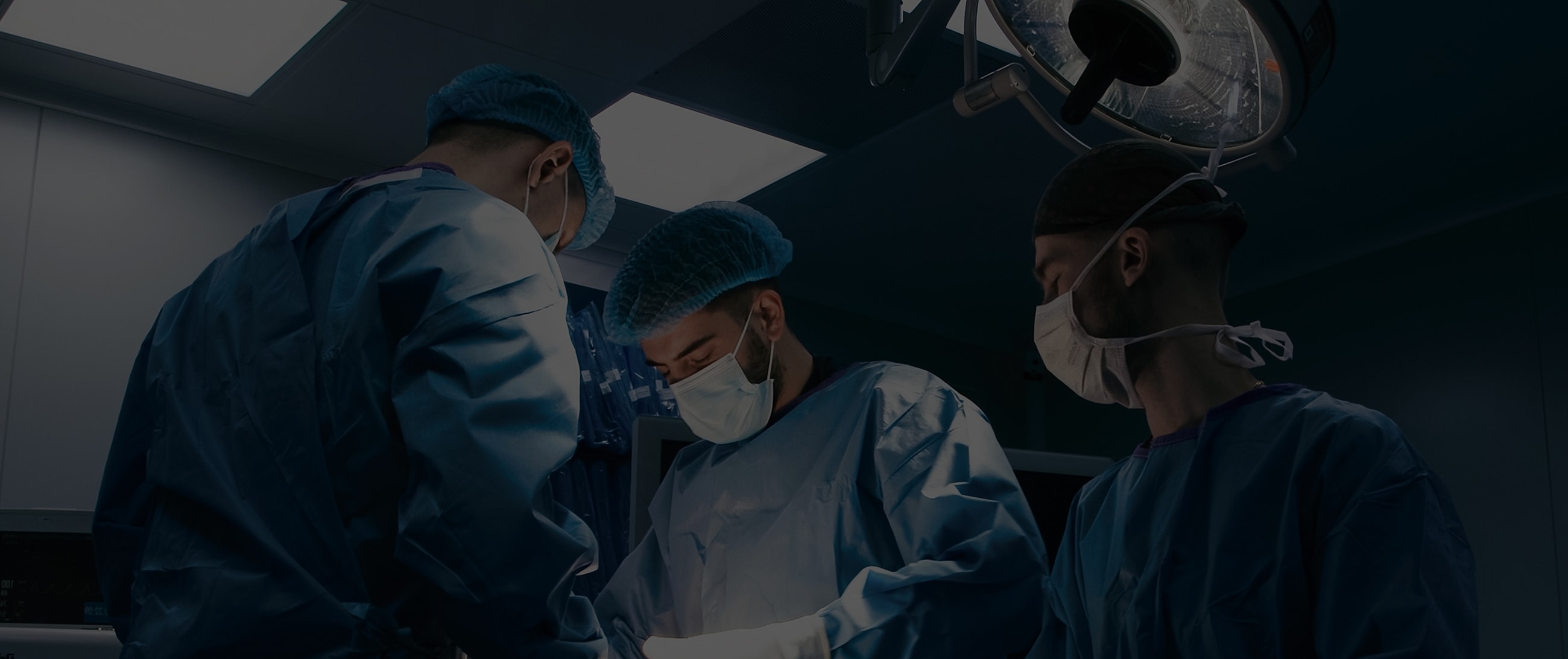
Restore Healthy Circulation
Improving blood flow helps deliver oxygen and nutrients to tissues throughout the body.
Preserve Limbs
Early vascular intervention can play a critical role in preventing limb loss and supporting long-term mobility.
Support Wound Healing
Improved circulation is often essential for healing chronic wounds, diabetic ulcers, and tissue injuries.
Minimize Invasiveness
Many endovascular procedures are performed through small access sites, resulting in less discomfort and faster recovery.
Reduce Complications
Treatment may lower the risk of infection, tissue damage, cardiovascular complications, and disease progression.
Improve Quality of Life
Patients often experience reduced pain, improved walking ability, greater independence, and increased confidence in daily activities.
You may be a candidate if you experience:
Many vascular conditions progress gradually and may not cause symptoms until circulation becomes severely compromised. Early evaluation can help identify treatment options before complications occur.

Recovery depends on the type of procedure performed and the patient's overall health.
Many minimally invasive endovascular procedures allow patients to resume light activities within a few days. More complex vascular surgeries may require longer recovery periods and additional follow-up care.
Patients may receive recommendations regarding:
For patients with chronic wounds or limb-threatening conditions, Cal Med's Advanced Wound Care, Limb Preservation, Podiatry, and Hyperbaric Oxygen Therapy programs can provide additional support during recovery.
Many patients experience significant improvements in circulation, mobility, wound healing, and overall quality of life following vascular intervention. Improved blood flow often reduces pain, supports tissue health, and helps prevent further progression of vascular disease.
Results vary depending on the severity of the condition being treated, overall vascular health, and ongoing management of risk factors such as diabetes, smoking, high blood pressure, and cholesterol. With appropriate follow-up care, vascular interventions can provide lasting benefits that help patients maintain independence and preserve long-term health.
Cal Med Physicians and Surgeons is a premier surgical provider group whose mission is to offer the highest quality health care to residents of the Inland Empire.
Formerly known as Arrowhead Community Surgical Medical Group, Inc., Cal Med is a unique group with approximately 35 licenses and board certified surgeons. Our roster includes many of the best neurosurgeons, ophthalmologists, ear, nose and throat (ENT) specialists, oral, general and vascular surgeons San Bernardino County has to offer.
Our San Bernardino and Riverside surgeons serve as the main surgical providers (except for orthopedics) at Arrowhead Regional Medical Center, including in the level 2 trauma center and regional burn center, and provide surgical services at Community Hospital of San Bernardino and Redlands Community Hospital. Our neurosurgeons provide services not only at Arrowhead Regional Medical Center, but also at Riverside University Health System Medical Center and Desert Regional Medical Center.
Our president, Dev Gnanadev, M.D., is an associate medical director and chairman of the surgery department at Arrowhead Regional Medical Center.
Vascular surgery includes both traditional open surgical procedures and minimally invasive endovascular techniques. Endovascular procedures are performed through small catheter-based access points inside the blood vessels.
PAD occurs when plaque buildup narrows arteries and reduces blood flow to the legs and feet. It can cause pain, wounds, and mobility limitations.
Yes. Poor circulation is a common cause of chronic wounds and diabetic ulcers. Restoring blood flow is often a critical step in successful wound healing.
Most minimally invasive vascular procedures involve little discomfort and are performed using local anesthesia, sedation, or other appropriate techniques.
In many cases, early diagnosis and treatment of circulation problems can significantly reduce the risk of limb loss by improving blood flow and supporting healing.
Symptoms may include leg pain while walking, numbness, cold feet, slow-healing wounds, skin discoloration, swelling, or decreased mobility. A vascular evaluation can determine whether circulation issues are contributing to your symptoms.