Hyperbaric Oxygen Therapy (HBOT)

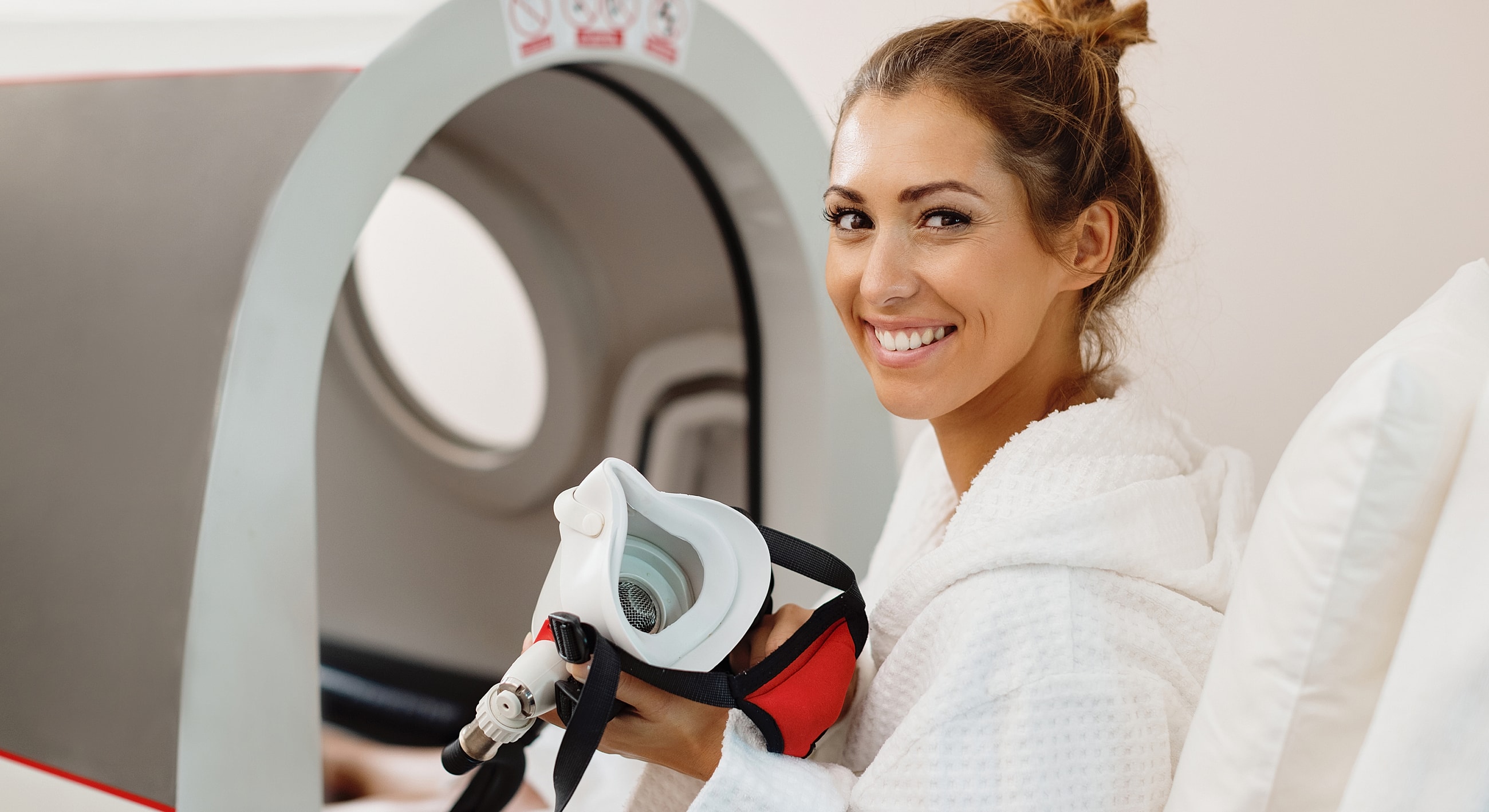
Sometimes healing requires more than traditional treatment alone. Hyperbaric Oxygen Therapy (HBOT) provides advanced oxygen-based support for patients with chronic wounds, diabetic foot ulcers, radiation injuries, compromised grafts, and other complex conditions. At Cal Med Physicians and Surgeons, our Hyperbaric Medicine program combines evidence-based treatment protocols with personalized care to help improve healing potential and preserve quality of life.
Advanced hyperbaric medicine at Cal Med Limb Preservation Center combines specialized expertise, multidisciplinary wound care, and personalized treatment plans to support healing for complex conditions and chronic wounds.
Non-invasive treatment performed inside a specialized hyperbaric chamber
Patients breathe 100% oxygen under increased atmospheric pressure
Often used alongside advanced wound care and limb preservation therapies
Sessions are comfortable and typically allow patients to relax during treatment
Hyperbaric Oxygen Therapy (HBOT) is a medical treatment in which patients breathe 100% oxygen inside a specially designed hyperbaric chamber. During treatment, the atmospheric pressure inside the chamber is increased above normal levels, allowing significantly more oxygen to dissolve into the bloodstream.
This oxygen-rich blood is delivered throughout the body to tissues that may be damaged, oxygen-deprived, inflamed, or infected. Oxygen is essential for cellular repair, tissue regeneration, and immune function, making HBOT an important component of advanced wound healing and hyperbaric medicine.
Hyperbaric oxygen therapy has been used for decades in hospitals and specialized wound centers across the United States and is often incorporated into a broader multidisciplinary treatment plan.
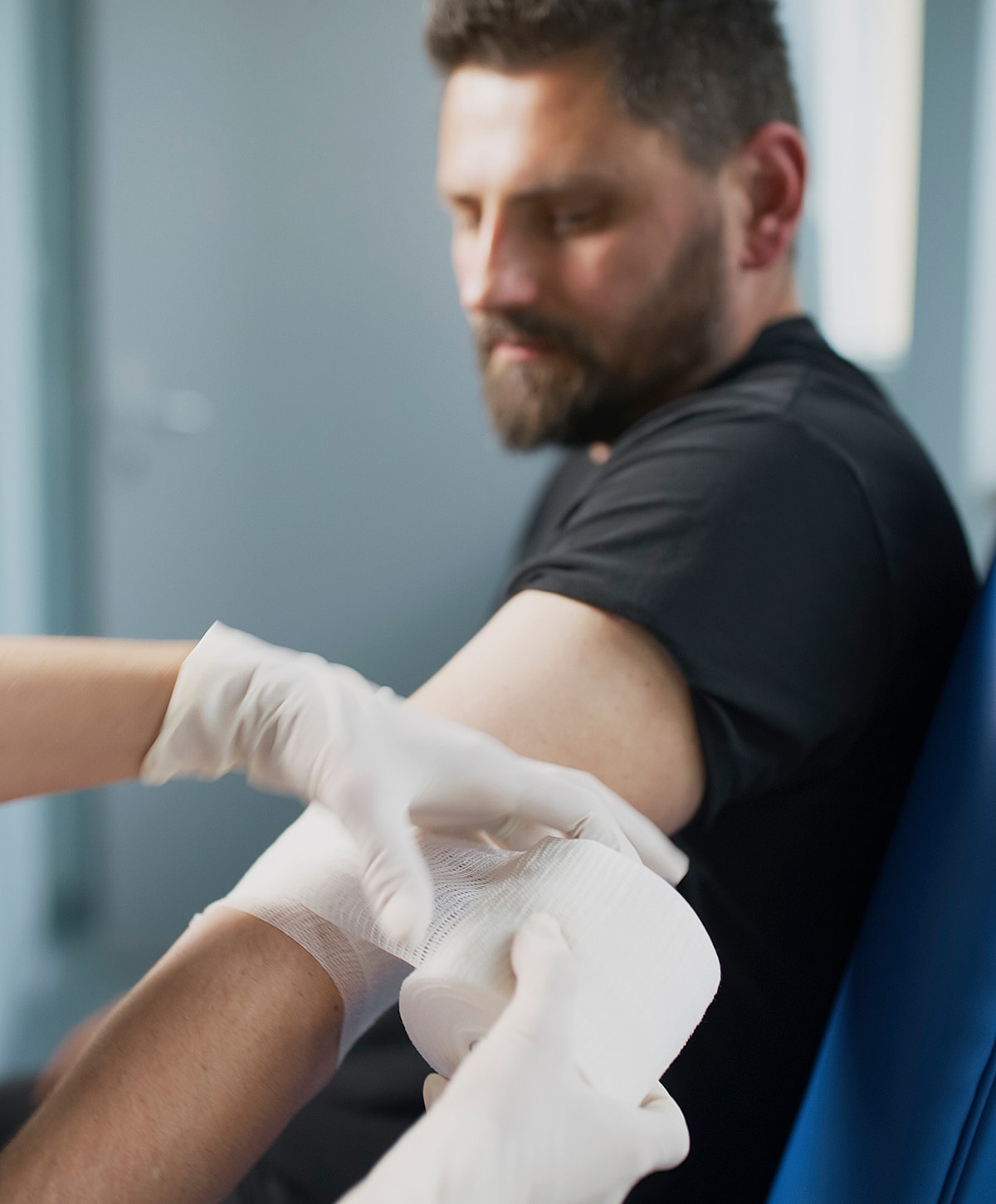
Hyperbaric Oxygen Therapy is generally painless and often described as relaxing.
Before treatment, patients undergo a comprehensive evaluation to determine whether HBOT is appropriate for their condition. Once treatment begins, patients enter the hyperbaric chamber and breathe concentrated oxygen while the chamber is gradually pressurized.
During pressure changes, patients may experience a sensation similar to flying on an airplane, with a sense of fullness or popping in the ears. Once treatment pressure is reached, patients simply relax while oxygen circulates throughout the body.
Depending on the chamber and treatment plan, patients may rest, watch television, or listen to music during the session. Throughout treatment, trained hyperbaric medicine professionals continuously monitor safety and comfort.

Hyperbaric oxygen therapy is approved for several conditions and may be incorporated into treatment plans for:
Diabetic Foot Ulcers
Poor circulation and nerve damage caused by diabetes can lead to wounds that struggle to heal. HBOT helps support oxygen delivery and may complement advanced wound care therapies.
Delayed Radiation Injury
Patients experiencing late effects of radiation therapy involving the skin, jaw, bladder, bowel, or soft tissues may benefit from hyperbaric medicine when traditional treatments have been unsuccessful.
Chronic Refractory Osteomyelitis
Persistent bone infections can be difficult to treat and may require HBOT as part of a comprehensive care plan.
Compromised Grafts and Flaps
Reduced blood flow following reconstructive surgery may threaten tissue viability. Hyperbaric oxygen therapy may help support healing and tissue preservation.
Necrotizing Soft Tissue Infections
HBOT may be utilized alongside surgical treatment and antibiotics to support infection management.
Chronic Wounds and Limb Preservation
Patients with circulation-related wounds, vascular disease, and non-healing ulcers often benefit from the multidisciplinary approach offered through Cal Med's Advanced Wound Care and Limb Preservation Center.
Because oxygen is delivered throughout the bloodstream, Hyperbaric Oxygen Therapy supports healing throughout the body. HBOT may benefit tissues affected by chronic wounds, radiation injury, compromised circulation, infection, and impaired oxygen delivery.
When medically appropriate, hyperbaric oxygen therapy may provide several important benefits.


Candidates for Hyperbaric Oxygen Therapy are typically patients with chronic wounds, diabetic foot ulcers, radiation injuries, certain infections, compromised grafts or flaps, and other approved conditions.
Every patient undergoes a thorough evaluation that includes medical history, diagnostic testing, imaging, medications, and overall health status. Because HBOT is not appropriate for everyone, treatment recommendations are individualized and based on established clinical guidelines.
One of the advantages of Hyperbaric Oxygen Therapy is that there is little to no downtime after treatment.
Most patients can return to their normal daily activities immediately following a session. Depending on the underlying condition being treated, multiple treatments may be scheduled over several weeks. Patients should continue following all wound care instructions, medications, and physician recommendations throughout their treatment course to maximize healing potential.

Hyperbaric oxygen therapy is designed to support the body's natural healing processes rather than produce instant changes. Results occur gradually and vary depending on the condition being treated, overall health, circulation, and adherence to the treatment plan.
Many patients receiving HBOT as part of comprehensive wound care experience improvements in healing progression, tissue viability, infection control, and overall quality of life. Because HBOT is frequently used alongside advanced wound care therapies, vascular evaluation, and limb preservation strategies, its benefits are often seen as part of a broader, multidisciplinary approach to recovery.
At Cal Med Physicians and Surgeons, hyperbaric oxygen therapy is integrated within a dedicated Advanced Wound Care and Limb Preservation Center. Rather than treating wounds or complex conditions in isolation, our team takes a multidisciplinary approach designed to identify underlying causes and support long-term healing.
Patients benefit from coordinated care that may include:
By bringing multiple specialties together under one roof, Cal Med provides patients with comprehensive care focused on healing wounds, preserving mobility, and helping patients return to daily life with greater confidence.
Yes. Hyperbaric oxygen therapy is generally considered safe when administered under medical supervision and in accordance with established safety protocols.
Treatment schedules vary depending on the condition being treated and the patient's response. Some individuals require only a limited number of sessions, while others may benefit from a longer course of treatment.
Medicare and many insurance plans cover HBOT for approved medical conditions. Coverage depends on diagnosis, medical necessity, and individual insurance policies.
Most patients find treatment comfortable and relaxing. You may notice fullness or popping in the ears during pressurization, similar to what you experience during air travel.
Many patients can safely return to normal activities and drive following treatment, although recommendations may vary depending on their medical condition.
No. Hyperbaric oxygen therapy is usually incorporated into a comprehensive treatment plan that may include advanced wound care, vascular evaluation, infection management, surgery, and other therapies designed to improve healing outcomes.