Endoscopic Surgery
Colton, San Bernardino, & Riverside


Endoscopic surgery allows physicians to diagnose and treat a wide range of conditions using specialized instruments and advanced imaging technology. These minimally invasive procedures often provide faster recovery, less discomfort, and highly accurate evaluation of areas like the digestive tract.
At Cal Med Physicians and Surgeons, patients throughout Colton, San Bernardino County, Riverside County, and the Inland Empire receive personalized care from experienced specialists who combine advanced techniques with a patient-centered approach to deliver safe, effective treatment.
Call to book an appointment: (909) 747-0371 or fill out the request form below
Minimally invasive diagnostic and therapeutic procedures used to evaluate and treat a range of conditions
Often performed on an outpatient basis
Minimal downtime for many procedures
Advanced imaging technology for precise visualization and treatment
Endoscopic surgery refers to procedures performed using a thin, flexible tube equipped with a camera and specialized instruments called an endoscope. This technology allows physicians to examine internal structures, diagnose abnormalities, and perform certain treatments without large incisions.
Endoscopic procedures are commonly used to evaluate the esophagus, stomach, colon, and other parts of the gastrointestinal tract. Depending on the patient's needs, endoscopic surgery may be performed for screening purposes, diagnosis, biopsy collection, polyp removal, bleeding control, or treatment of specific disorders.
At Cal Med Physicians and Surgeons, treatment plans are tailored to each patient's symptoms, medical history, and overall health to provide individualized care and accurate diagnoses.

Before the procedure, patients undergo a consultation and receive instructions regarding dietary restrictions and medication management. Depending on the type of endoscopy being performed, preparation may include fasting or bowel preparation.
On the day of treatment, sedation is typically administered to maximize comfort. The physician gently guides the endoscope into the appropriate area to evaluate tissues and perform any necessary interventions, such as biopsies or removal of abnormal growths.
Most procedures are completed on an outpatient basis. Patients are monitored afterward and are generally able to return home the same day with instructions for recovery and follow-up care.

An endoscopy may be ordered by your doctor if you show any of the following conditions or symptoms:
There are several types of endoscopies San Bernardino doctors at Cal Med can perform, depending on the area of the body.
Ureteroscopy is ordered by a physician when you might have kidney stones. A thin scope is inserted into your bladder and ureter to check for signs of kidney stones.
Hysteroscopy is a procedure that inserts a small device inside your uterus to remove fibroids or polyps or check for any malformation of the uterus. It is sometimes done at the same time as a laparoscopic surgery.
Arthroscopy is a surgical procedure that treats issues inside any joint, especially the elbow, wrist, shoulder, hip, ankle, or knee. For example, it is commonly used for meniscal injuries to the knee.
Bronchoscopy is a procedure to examine your airways to your lungs. It allows your physician to use an instrument called a bronchoscope (fiber-optic material with light source and a camera) that goes through your nose or mouth and down your throat to arrive at the lungs.
A colonoscopy looks for any abnormalities or diseases in your lower intestine or colon. Your San Bernardino doctor may take tissue samples for a biopsy and remove abnormal tissue like polyps.
Laparoscopy is a useful diagnostic procedure that doctors use to probe inside the abdomen and check for any abnormalities, tumors, liver disease, or fluid in the abdominal cavity. The thin and long instrument, which is inserted through an incision in the abdominal wall, is a great tool for physicians to examine important organs such as the gallbladder, liver, pancreas, pelvic cavity, small intestine, and spleen.
Do you have persistent coughs? Or even bloody coughs? Throat pain? Difficulty swallowing? Getting a laryngoscopy will allow an ear, nose, and throat (ENT) specialist to have a close-up view of your larynx and throat for any serious conditions. She will insert a laryngoscope into your mouth to see if your vocal cords have been affected.
Cystoscopy is a test for bladder issues such as painful urination. A cystoscope with a camera and light on the end is inserted through your urethra so your physician can see the inside of your bladder. A cystoscopy can help diagnose blockages, stones, and an enlarged prostate gland, among other conditions. Make sure to see your doctor if you have blood in your urine, experience pelvic pain, or have urinary tract infections.
Enteroscopy evaluates your digestive system, looking for blocked bowel passages, a high white blood cell count, severe diarrhea, abnormal gastrointestinal bleeding, or any tumors in the small intestines. The physician inserts a thin tube either through the mouth (upper enteroscopy) or the rectum (lower enteroscopy) to check for any disease in the stomach and small intestine.
Mediastinoscopy is used to examine the area between the lungs. A doctor will choose a mediastinoscope, a small instrument that is inserted through a tiny incision in your throat to verify if a cancer in your lungs has expanded to your lymph nodes, to determine an infection, or to look for a lymphatic cancer like Hodgkin’s disease.
If you notice changes in your bowel habits, including rectal bleeding, or experience any abdominal pain, you should have a doctor check you for a sigmoidoscopy. This procedure specifically explores your sigmoid colon (rectum and the lower part of your large intestine) for any abnormal cells or cancers, polyps, or ulcers.
Early Detection
Endoscopic procedures can identify abnormalities and disease in their early stages, allowing for timely intervention and improved treatment planning.
Minimally Invasive Approach
Many procedures require no external incisions, resulting in less discomfort and reduced recovery time.
Diagnostic Accuracy
High-definition imaging allows our physicians to closely examine tissues and, when necessary, obtain biopsies, improving diagnostic precision.
Therapeutic Capabilities
In many cases, endoscopic procedures can both diagnose and treat conditions during the same session, reducing the need for additional interventions.
Convenient Outpatient Care
Most procedures are performed in an outpatient setting, allowing patients to return home the same day.

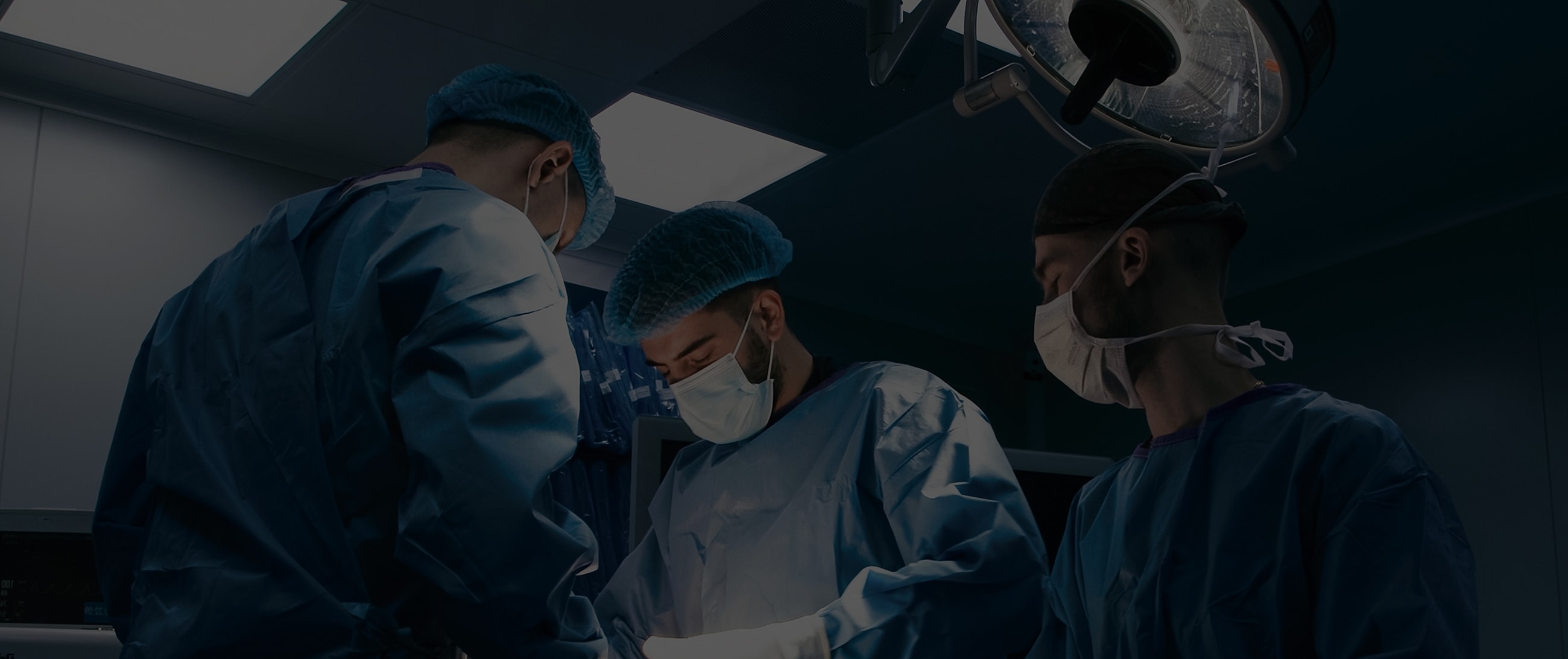
Patients experiencing gastrointestinal symptoms, undergoing preventive screenings, or requiring evaluation of abnormal imaging or laboratory findings may be candidates for endoscopic surgery.
These procedures are commonly recommended for individuals with:
A consultation with the Cal Med team helps determine which procedure, if any, is most appropriate for your individual needs.
Recovery following endoscopic surgery is typically straightforward. Patients may experience mild bloating, cramping, or throat irritation depending on the procedure performed, but these effects are usually temporary.
Because sedation is commonly used, patients should arrange transportation home and avoid strenuous activity for the remainder of the day. Most individuals resume normal activities within 24 hours, although specific recovery instructions may vary depending on the complexity of the procedure and any treatments performed during the examination.
One of the greatest benefits of endoscopic surgery is the ability to obtain answers quickly and accurately. Findings from the procedure often help physicians diagnose digestive conditions, identify abnormalities, and guide future treatment decisions.
For patients requiring therapeutic interventions, improvements may begin shortly after treatment. Procedures such as polyp removal, bleeding control, or dilation of narrowed areas can provide meaningful symptom relief and help prevent complications. Combined with ongoing medical management and follow-up care, endoscopic surgery plays an important role in maintaining digestive health and overall well-being.
Cal Med Physicians and Surgeons is a premier surgical provider group whose mission is to offer the highest quality health care to residents of the Inland Empire.
Formerly known as Arrowhead Community Surgical Medical Group, Inc., Cal Med is a unique group with approximately 35 licenses and board-certified surgeons, including neurosurgeons, ophthalmologists, ear, nose, and throat (ENT) specialists, oral, vascular, and general surgeons.
Our surgeons serve as the main surgical providers (except for orthopedics) at Arrowhead Regional Medical Center, including in the level 2 trauma center and regional burn center, and provide surgical services at Community Hospital of San Bernardino and Redlands Community Hospital. Our neurosurgeons provide services not only at Arrowhead Regional Medical Center, but also at Riverside University Health System Medical Center and Desert Regional Medical Center.
Our president, Dev Gnanadev, M.D., is an associate medical director and chairman of the surgery department at Arrowhead Regional Medical Center.
Call us today to book an appointment.
Most endoscopic procedures are performed with sedation, allowing patients to remain comfortable throughout treatment. Mild bloating or soreness afterward is generally temporary.
Many procedures take between 30 and 60 minutes, although total appointment time may be longer due to preparation and recovery.
Sedation is commonly used, and many patients remember little or none of the procedure itself.
Most individuals resume their usual activities within a day, though specific recommendations may vary depending on the procedure performed.
Endoscopic procedures are valuable tools for detecting precancerous changes and certain cancers at earlier stages, allowing for prompt treatment when necessary.
Yes. Most endoscopic surgeries are performed in an outpatient setting, allowing patients to return home the same day after a short recovery period.