Ophthalmology & Retinology
Colton, San Bernardino & Riverside

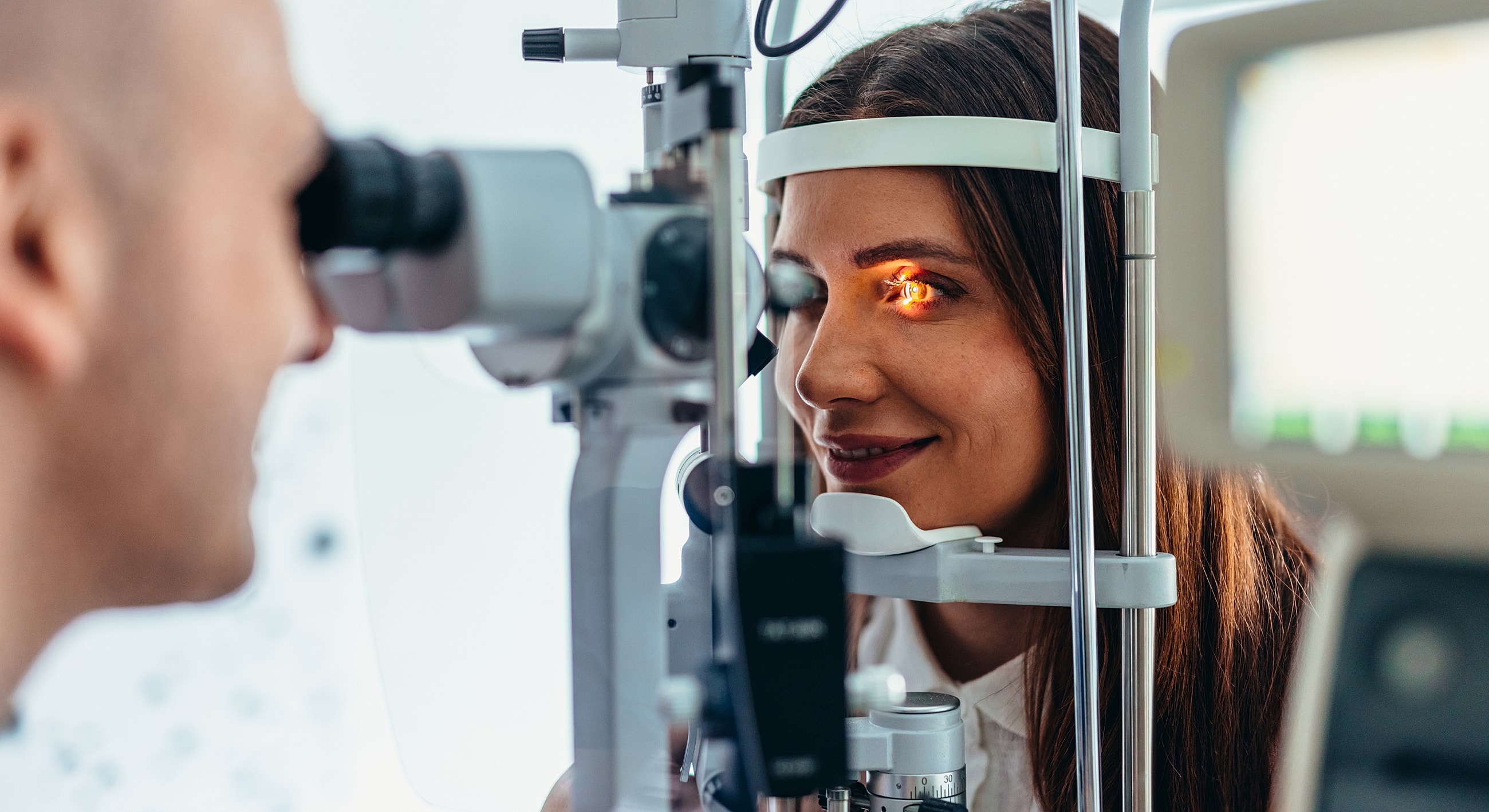
We use our eyes for so many things nowadays, from our smartphones to our tablets.
It is important to have your eyes examined at least once a year. At Cal Med Physicians and Surgeons, we have ophthalmologists who specialize in complete eye care, including retinology. Our experienced team will take care of your vision services, including a new eye exam.
Our San Bernardino ambulatory surgery center features the latest technology to help treat medical conditions such as glaucoma and iritis. Our premier outpatient surgery center offers complete surgical eye care for cataracts, trauma, and other issues. We strive to provide the best ophthalmology San Bernardino County can offer, and we can diagnose and treat eye conditions that are related to other diseases like diabetes.
Specialized care for diseases affecting the retina and overall eye health
Advanced imaging and diagnostic technology for early detection
Medical and surgical treatment options tailored to each patient
Long-term management for chronic eye conditions
Ophthalmology is the medical specialty dedicated to diagnosing and treating diseases of the eye, while retinology focuses specifically on disorders affecting the retina—the light-sensitive tissue at the back of the eye responsible for vision.
Retinal diseases can progress silently and may threaten your vision if left untreated. Through comprehensive evaluations, imaging studies, and advanced treatment options, ophthalmologists and retina specialists work to identify problems early and help preserve sight whenever possible.
Treatment plans may include observation, medications, injections, laser procedures, or surgical intervention, depending on the condition being addressed.
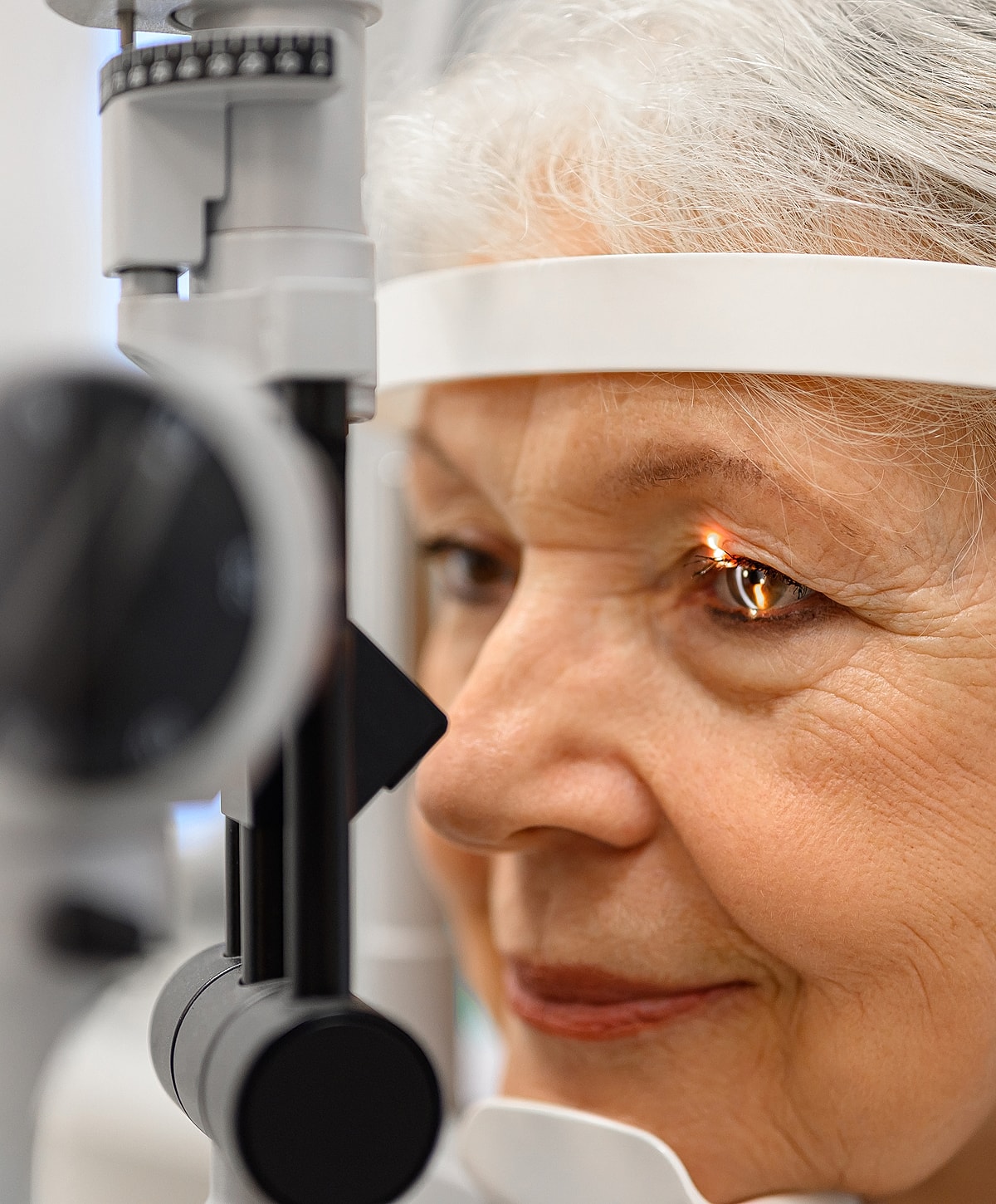
Our San Bernardino ophthalmology specialist will begin by asking you about your medical and vision history. You will then receive several eye tests that can include:
It is important to check for problems that can affect your vision, such as cataracts, diabetic retinopathy, glaucoma, and macular degeneration.
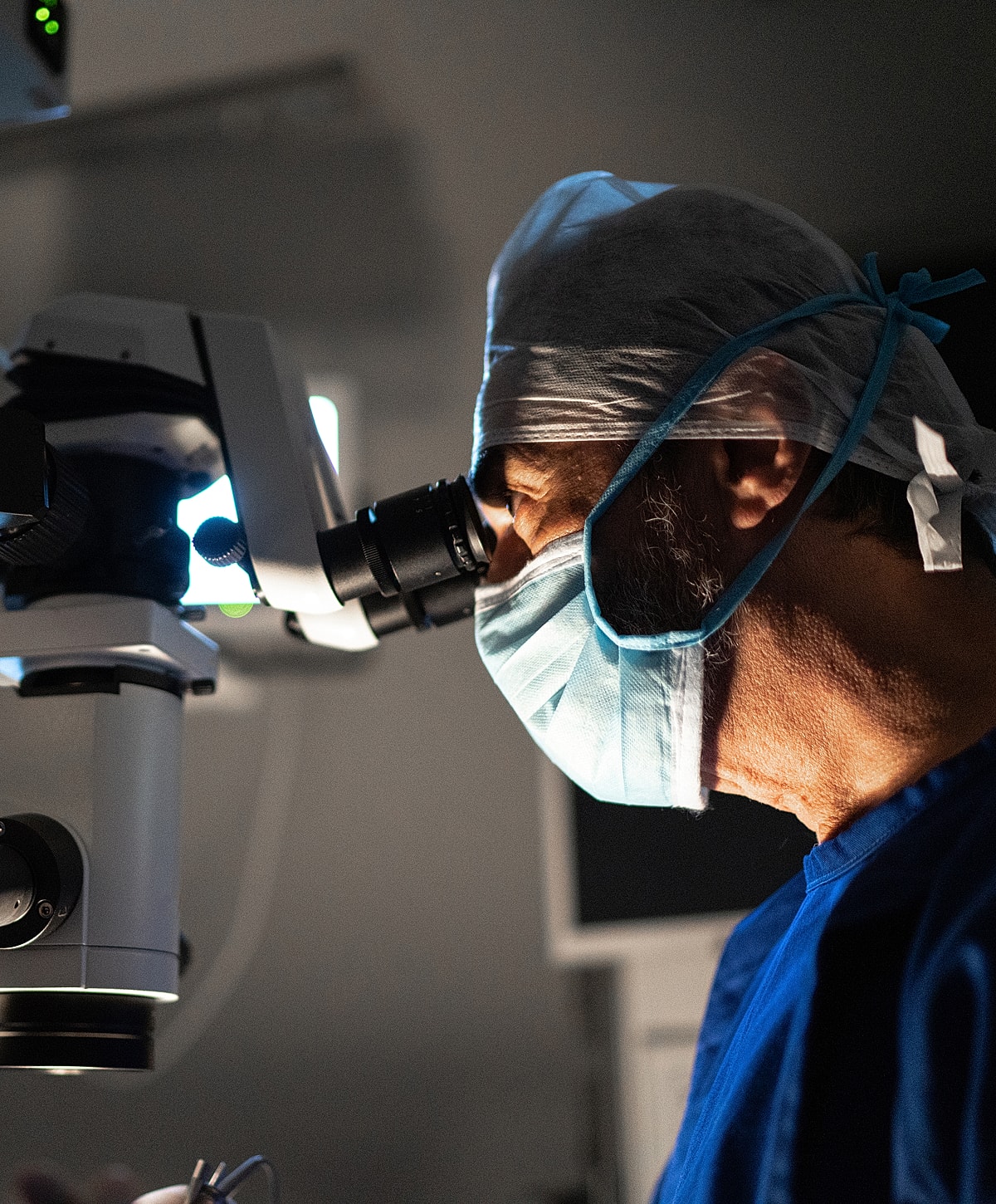
Eye surgery is a procedure that is performed on the eye and its surrounding area to treat medical eye conditions. Also known as ocular surgery, it is usually executed by an ophthalmologist because the eye is a fragile organ that demands expert care. There are many eye conditions and vision services that we provide at Cal Meds Docs to serve all of your optical needs.

Cal Med Physicians and Surgeons treat a wide range of eye and retinal conditions, including:
Early diagnosis is essential, as many retinal diseases can progress before noticeable symptoms develop.
Cataracts are a natural part of the aging process when your eyes get cloudy from the build-up of protein in the lens. What happens is that cataracts causes you to lose some of your eyesight as the cloudiness progresses with time and can begin to interfere with the ability to operate machinery such as your car and activities such as watching a movie.
The four major types of cataracts are caused by 1) the aging process, 2) congenital (babies born with it or it develops in childhood), 3) a traumatic injury to the eye, or 4) as a secondary cause from a medical condition like diabetes or being around toxic substances, radiation, or ultraviolet light.
Getting a stronger prescription and a new pair of glasses can help, but eventually, corrective cataract surgery will be required. This surgery can be done at our outpatient surgery center in San Bernardino County, meaning you go home the same day as your procedure. Your lens will be removed and replaced with a man-made one.
Glaucoma is the second leading cause of blindness, a complex disease that generates damage to the optic nerve, resulting in gradual and irreversible vision loss. The problem is that there are no warning signs, as the disease develops slowly and can go unnoticed for years. In fact, more than 2.2 million people in the U.S. have glaucoma, half of whom may not be aware they have it.
Our physicians are experts at detecting and treating glaucoma and help protect your vision. Regular eye exams can help lead to early detection and treatment of glaucoma. A complete eye examination with specialized testing can help diagnose glaucoma in its early stages. People at risk for glaucoma include anyone who has a family history of the disease, is age 55 or older, is extremely nearsighted, is of Hispanic or Black background, has used steroids for prolonged periods, or has a history of eye trauma or high pressure in the eyes.
The most common forms of glaucoma are closed-angle and open-angle, the most common form of the disease, which causes optic nerve damage. Although there is no cure for glaucoma and the vision lost to the disease cannot be restored, further loss of vision can be prevented or slowed down with laser treatment, eye drops to lower the eye pressure, or glaucoma surgery.
Iritis is the result of the iris becoming inflamed, which can be caused by trauma or non-traumatic reasons. For example, inflammation can be created by a blunt trauma to the eye. Some of the diseases that can result in non-traumatic iritis include ankylosing spondylitis, inflammatory bowel disease, psoriasis, Reiter syndrome, and sarcoidosis.
Iritis usually affects only one eye and develops quickly. Here are some of the symptoms: blurred vision, red eyes, small-shaped pupil, and pain in the eye, especially when exposed to bright light. A specialist can make a diagnosis of iritis by examining your eye with a slit lamp to check the white blood cells and particles of proteins in the fluid produced by your eye. Iritis is treatable depending on the cause. For traumatic iritis, it disappears within a couple of weeks. For non-traumatic iritis, it can take weeks, sometimes even months, to fully resolve. There are some cases of iritis that may be chronic, especially those associated with systemic diseases like sarcoidosis.
Ophthalmology and retinology services focus on the eyes and, more specifically, the retina, macula, vitreous, and blood vessels that support healthy vision. Treatment is aimed at preserving eyesight and maintaining visual function.
Early Detection Matters
Advanced imaging and regular eye evaluations allow retinal diseases to be identified before irreversible vision loss occurs.
Personalized Treatment
Every condition—and every patient—is different. Treatment plans are customized according to diagnosis, symptoms, and overall health.
Vision Preservation
Many retinal diseases cannot be cured, but early intervention may help slow progression and preserve existing vision.
Advanced Technology
State-of-the-art diagnostic tools and modern treatment options allow for greater precision and improved outcomes.
Long-Term Care
Ongoing follow-up helps patients manage chronic eye conditions and maintain the best possible quality of life.
You may benefit from ophthalmology and retinology services if you:
A comprehensive evaluation can help determine the most appropriate treatment plan for your needs.
Recovery varies depending on the specific treatment performed. Many office-based procedures require little to no downtime, allowing patients to resume normal activities shortly afterward.
More advanced retinal surgeries may involve a longer recovery period and specific postoperative instructions. Follow-up visits are important to monitor healing and ensure the best possible outcome.
Patients with chronic retinal conditions often require ongoing care and routine evaluations to maintain long-term eye health.
The goal of ophthalmology and retinal treatment is not only to improve vision when possible, but also to preserve existing sight and prevent further deterioration. Early intervention often leads to better outcomes and may significantly reduce the risk of severe vision loss.
While some retinal conditions require lifelong management, modern therapies have transformed the outlook for many patients, allowing them to maintain independence and enjoy a higher quality of life.
At Cal Med Physicians and Surgeons, our team is dedicated to offering you the best opthalmology San Bernardino County has to offer at our premier outpatient surgery center. We have highly trained, board-certified, and experienced surgeons with expertise in all aspects of surgical eye care specialties who will diagnose your eye condition. We focus on a positive patient experience and a successful outcome because we care about our patients and we value quality of care above all.
Call us today to book an appointment.
A retina specialist treats diseases affecting the retina and vitreous, including diabetic retinopathy, macular degeneration, retinal tears, and retinal detachments.
Sudden vision loss, flashes of light, floaters, distorted vision, or blind spots should be evaluated promptly by an eye specialist.
Yes. Early diagnosis and treatment can help slow progression and preserve vision in patients with diabetic retinopathy.
There is currently no cure for age-related macular degeneration, but several treatments can help manage the condition and slow its progression.
Retinal detachment may occur due to aging, trauma, severe nearsightedness, or retinal tears. It is considered a medical emergency requiring prompt treatment.
Most patients with diabetes should undergo a comprehensive dilated eye examination annually, although more frequent monitoring may be recommended depending on their condition.